
Somewhere in the middle of a long dinner, the flavors start to blur. The rich starter is still on your tongue when the next plate arrives. A palate cleanser between courses is the small, cold, sharp bite that fixes that: a spoonful of something icy or acidic that wipes the slate before the main dish.
This guide is for anyone hosting a multi-course dinner at home or in a rental who wonders whether the extra step is worth it. By the end you will know what the intermezzo course is, where it came from, where it goes in the menu, what to serve instead of sorbet, and when to skip it altogether.
What a palate cleanser does, and where the idea came from
Rich food coats the mouth. Butter, cream, cheese and salt linger, and the next dish has to fight through them. Something cold and acidic cuts that coating, so the following course tastes like itself instead of like the one before.
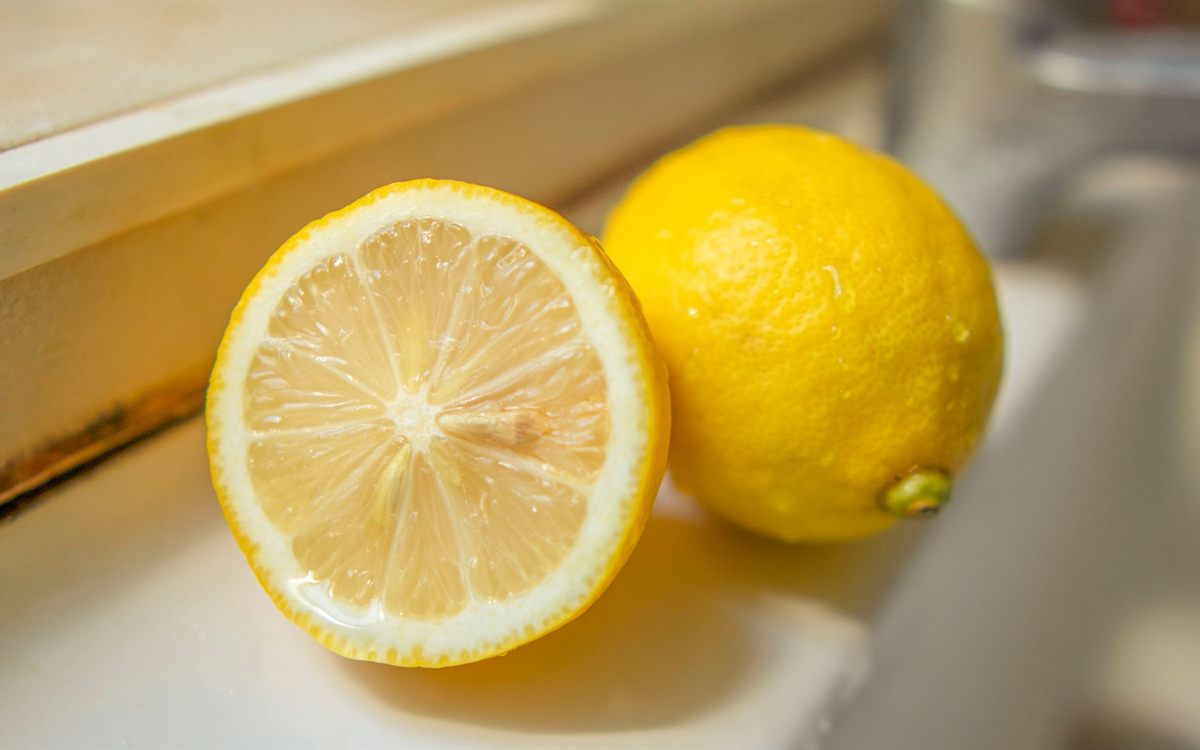
The intermezzo course
In Italian, an intermezzo is an interval, and at the table it means exactly that: a pause between courses. The James Beard Foundation describes the intermezzo as an icy interlude, a small dish to be eaten between courses, and credits the French chef Auguste Escoffier with encouraging chefs to serve sorbets or other ices between courses, which helped make the practice popular in 19th-century Europe. The same piece explains why it works: the acid in a lemon sorbet acts like a reset button after rich, salty dishes.
Related customs
Other traditions do the same job in their own way:
- Pickled ginger with sushi, eaten between pieces of different fish.
- Plain bread or crackers between wines at a tasting.
- Cooling yogurt sides alongside spicy dishes.
- A small glass of fruit brandy midway through a long Normandy meal, known as the trou normand.
Where a palate cleanser between courses goes in the menu
The cleanser sits between the two courses that need separating most. In a long formal menu, that is traditionally after the fish and before the meat. In a home dinner, it is almost always just before the entrée.

This table compares the possible spots and when each makes sense.
| Placement | Works when | Skip it when |
|---|---|---|
| After the starter | The starter is very rich or spicy | Soup or salad comes next anyway |
| Before the entrée | Five or more courses, or a heavy first half | Only three or four courses |
| Between two mains | Fish then meat, formal style | There is only one main |
| Before dessert | Rarely; a cheese course came first | Dessert is sweet and tart already |
Does a four course dinner need one?
Usually not. A classic menu of starter, soup or salad, entrée and dessert already has a reset built in: the salad.
Crisp greens and a sharp vinaigrette do much of what a sorbet does. Our guide to what a four course dinner at home looks like explains how those courses flow. Add a cleanser only when the starter is rich enough that the salad will not carry the change on its own, or when the menu runs longer than four courses.
Palate cleanser ideas beyond sorbet
Sorbet is the classic, but it is not the only option, and it is not always the easiest at home. Here are the choices, with what each asks of the host.
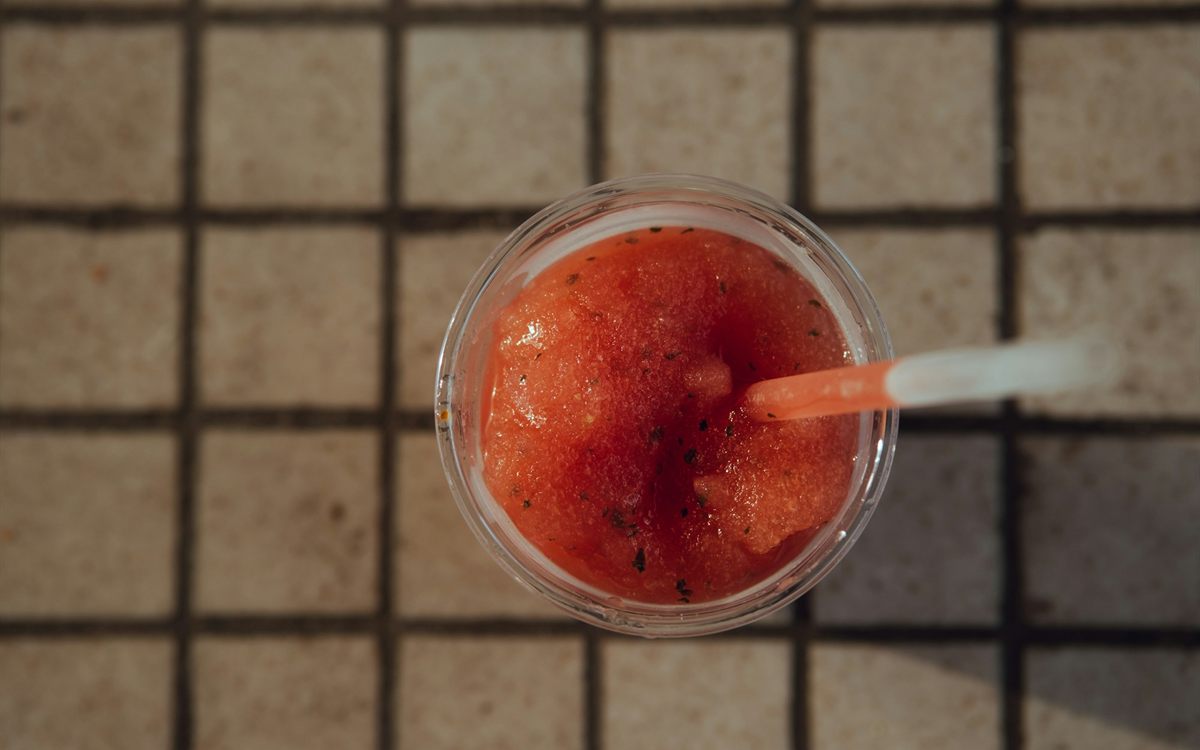
This table compares the common options by flavor, effort and timing.
| Option | Flavor | Effort on the night |
|---|---|---|
| Lemon or grapefruit sorbet | Tart, cold, light | Scoop and serve fast |
| Granita | Icy, sharp | Scrape with a fork, made a day ahead |
| Cucumber with mint | Cool, green, barely sweet | Slice ahead, keep chilled |
| Green apple slices | Crisp, sour | Slice at the last minute |
| Sparkling water with citrus | Clean, fizzy | Pour and pass |
Keep it tart, small and unsweet
The point is to clear the palate, not to serve an early dessert. Choose sharp, clean flavors: lemon, lime, grapefruit, green apple, cucumber, mint or a light herb. Avoid creamy, chocolate or very sweet options, which coat the tongue the way the rich course did. Guests who see a sweet scoop may also think dessert has come early.
Herbs and savory options
A savory cleanser is a good choice when the main course is delicate. Cucumber and mint, a sliver of celery or a few drops of citrus over chilled melon all work. Keep it to one or two bites.
How to serve one without slowing the dinner
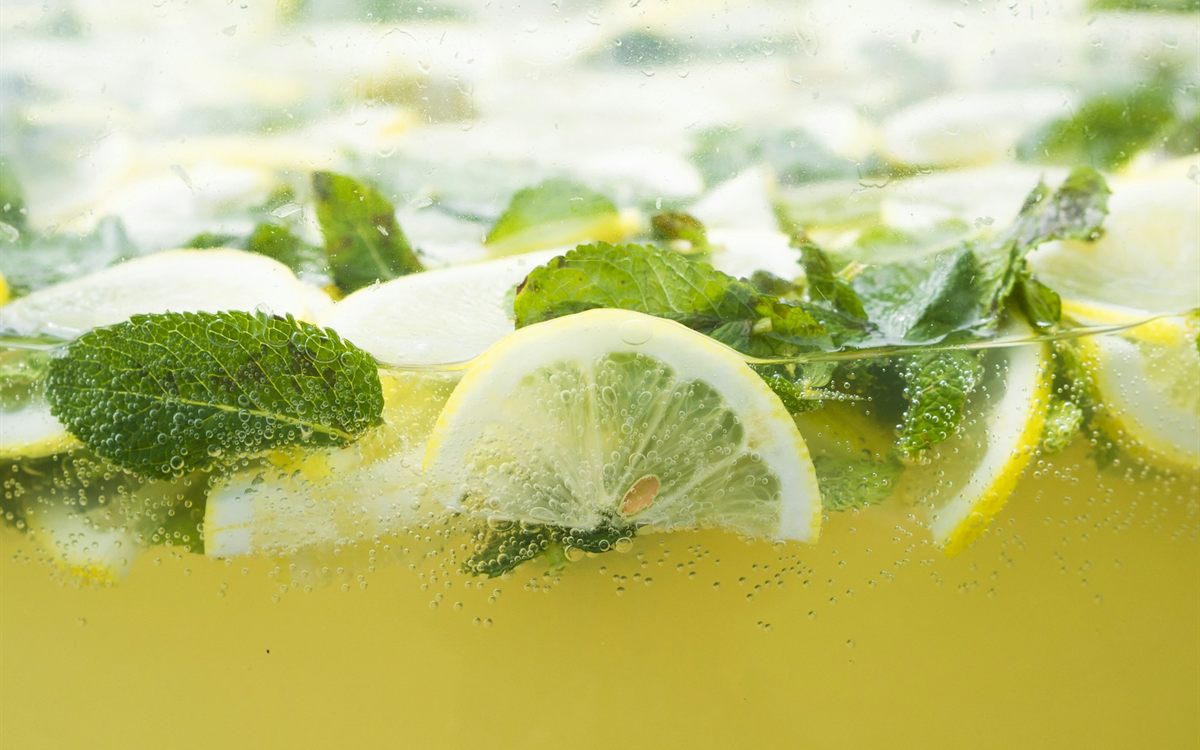
The cleanser should feel like a pause, not another course to manage. A few habits keep it easy:
- Portion it tiny. Two spoonfuls is plenty. More starts to fill people up before the main.
- Chill the glasses. Small glasses or espresso cups in the freezer for an hour keep sorbet from melting on the way to the table.
- Scoop ahead. Pre-scoop onto a tray lined with parchment and freeze, then drop each into a glass as you serve.
- Serve it while you plate. The cleanser buys the kitchen five quiet minutes to finish the entrée.
- Clear it quickly. Take the glasses away as soon as they are empty so the table resets for the main course.
If you are planning the opening bite as well, our guide to amuse bouche ideas for a dinner party at home covers the small taste at the start of the meal. The two work as bookends, but you do not need both. For the look of the main plate that follows, see how to plate food like a chef.
Palate cleansers and wine

Between wines, the best cleanser is plain water and a bite of plain bread or cracker. A sorbet fights with wine: the sugar and acid make the next sip taste thin or sour. If you are changing from a white with the starter to a red with the entrée, pour water with the cleanser and bring the red after it has cleared. Our guide to wine pairing for a mountain dinner walks through which bottles suit each course.
Frequently asked questions
Is sorbet served before or after the main course?
As a palate cleanser, sorbet comes before the main course, in a small portion. A larger, sweeter sorbet served after the main course is dessert, not a cleanser.
What is the intermezzo course?
It is a small, light, usually icy dish served between two courses to refresh the palate. Lemon sorbet or granita is the classic, and the name comes from the Italian word for an interval.
What can I use instead of sorbet as a palate cleanser?
Granita, cucumber with mint, green apple slices or sparkling water with a squeeze of citrus all work. Keep it tart, cold and small.
Do you need a palate cleanser for a four course dinner?
Usually not. The soup or salad course already resets the palate before the entrée, so a cleanser earns its place only after a very rich starter or in a longer menu.
At The Mobile Chef, every menu includes a starter, soup or salad, entrée and dessert, cooked and served in your rental in Breckenridge, Frisco, Copper Mountain or Keystone. See the full menus and pricing, from $79 per person, or read how our private chef dinners served at your table work, then call (970) 333-1788.