One of the quiet pleasures of eating in your rental is that the wine list is yours. You buy the bottles, you pour them, and nobody adds a restaurant markup. This guide to wine pairing for mountain dinner parties is for anyone hosting a group in Breckenridge, Frisco, Keystone or Copper Mountain who wants each course to taste better with what is in the glass.
By the end you will have a match for every course of a four-course dinner, a simple way to work out how many bottles to buy, a plan for the guests who are not drinking, and the one altitude habit worth adopting at 9,600 feet.
The rules that make any pairing work
You do not need to memorise grape varieties. Four principles cover nearly every dinner, and they hold whether you spend a little or a lot.

- Match weight with weight. Delicate food wants a lighter wine; rich, slow-cooked or grilled food can carry a fuller one.
- Acid loves acid. Lemon, tomato and vinaigrette make soft wines taste flat. Choose a wine with bright acidity instead.
- Sweet needs sweeter. A dessert wine should be at least as sweet as the dessert, or the wine tastes sour.
- Light to bold. Pour in order through the evening: sparkling, white, rosé, red, sweet.
Wine pairing for a mountain dinner, course by course
A private chef dinner from The Mobile Chef runs to four courses: a starter, soup or salad, entrée and dessert. The suggestions below use dishes from our menus, so you can see the logic on real plates. The same thinking works for anything you cook yourself.
Starters
Stuffed mushrooms, a shrimp cocktail platter, or a brie cheese and fruit platter all welcome a glass of sparkling wine. The bubbles and acidity cut through cheese and seafood, and a fizzy first pour suits a group coming in from the cold. A crisp Sauvignon Blanc does the same job without the cork.
Soup or salad
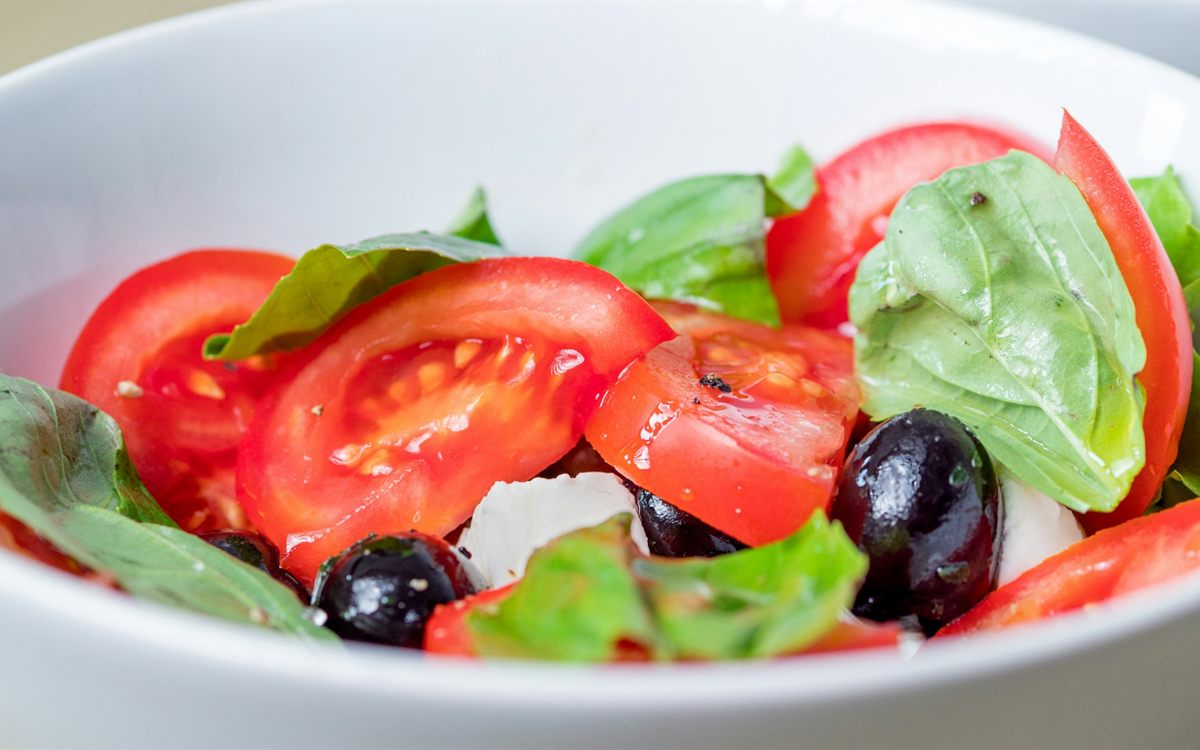
A Greek salad with feta and olives is salty and sharp, so it wants a bright white or a dry rosé. Greek avgolemono soup, with its lemon and egg, sits well with an unoaked Chardonnay or a dry white from the Mediterranean. Skip heavily oaked wines here; they clash with the citrus.
The entrée
This is where the choice matters most. The table below compares the main courses on our menus with a wine to look for and one to avoid.
| Entrée | Pour | Skip |
|---|---|---|
| Chicken piccata | Sauvignon Blanc, Pinot Grigio | Tannic reds |
| Grilled pork tenderloin au jus | Pinot Noir | Big, oaky Cabernet |
| Beef fillet with asparagus | Malbec, Cabernet Sauvignon | Light whites |
| Poached fish with tomato and cumin | Dry rosé, light Grenache | Buttery Chardonnay |
| Arugula stuffed chicken breast | Unoaked Chardonnay | Sweet whites |
Two notes on the table. Asparagus is famously hard on wine, so a beef fillet served with it wants a smoother, fruit-forward red rather than a very tannic one. And for a Thai menu, an off-dry Riesling handles spice better than almost anything else.
Dessert
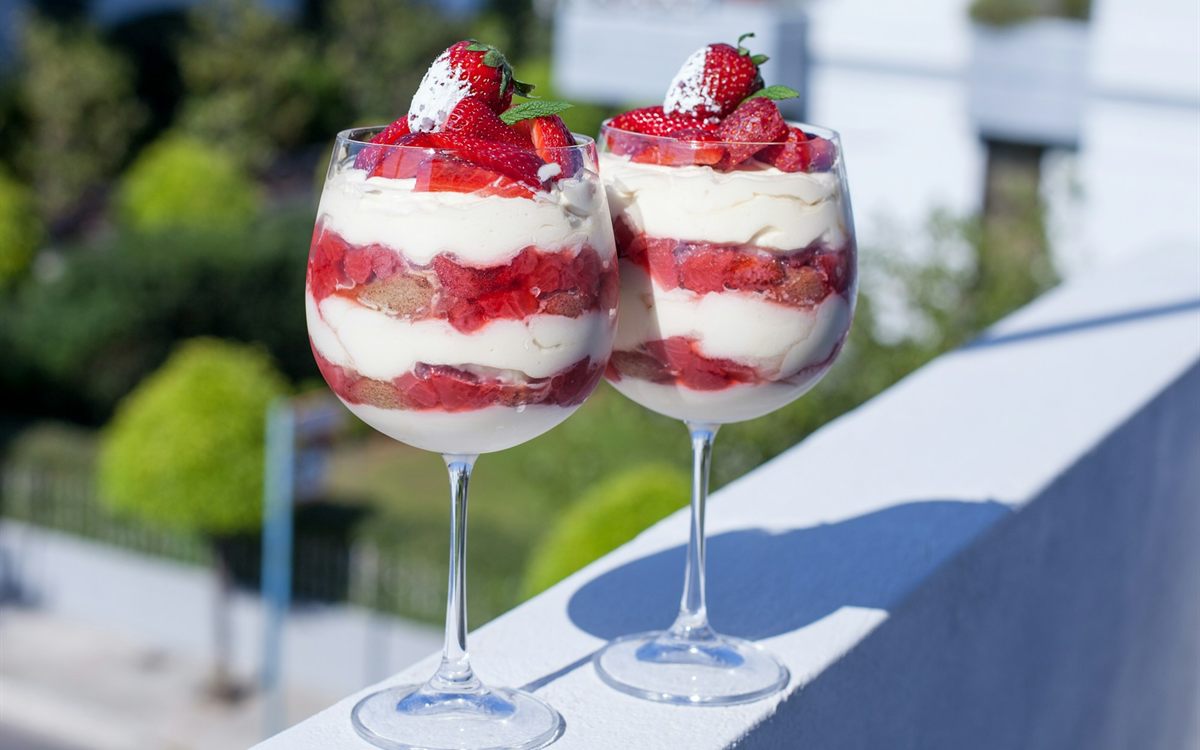
Tiramisu has coffee and cocoa, which pair with a sweet fortified wine, or simply a good espresso. A fruit tart is lighter and suits a gently sparkling Moscato or a late-harvest white. If nobody wants another glass, that is fine too: dessert stands on its own.
How much wine to buy for the group

Buy for the evening you expect, then add a margin. A standard 750 ml bottle pours about five glasses, so the sums are simple once you know who is drinking.
- Count drinkers, not guests. Children, designated drivers and the person who prefers beer do not need a share.
- Allow half a bottle to a bottle per drinker for a long dinner of several courses. Lean higher if the dinner follows après drinks.
- Split by course. For a group of eight drinkers, something like two sparkling or white for starters, two whites for the salad and a chicken or fish main, three reds for a meat main, and one dessert wine to share.
- Keep one spare of each color. An unopened bottle travels home; an empty table ends the night early.
Food quantities follow the same thinking. Our guide on how much food per person to plan for a mountain group covers the plates; this one covers the glasses.
Looking for a Colorado bottle
If you want something local on the table, the Colorado Wine Board keeps a directory of Colorado wineries by region, from the Grand Valley to the West Elks. A wine shop in town can point you to bottles from those regions to match the table above.
Drinking well at altitude
Breckenridge sits at 9,600 feet, and visitors often notice their drinks more than at home. The Breckenridge Tourism Office notes that alcohol and caffeine slow the body’s ability to acclimate, and suggests matching every drink with a glass of water or an electrolyte drink.
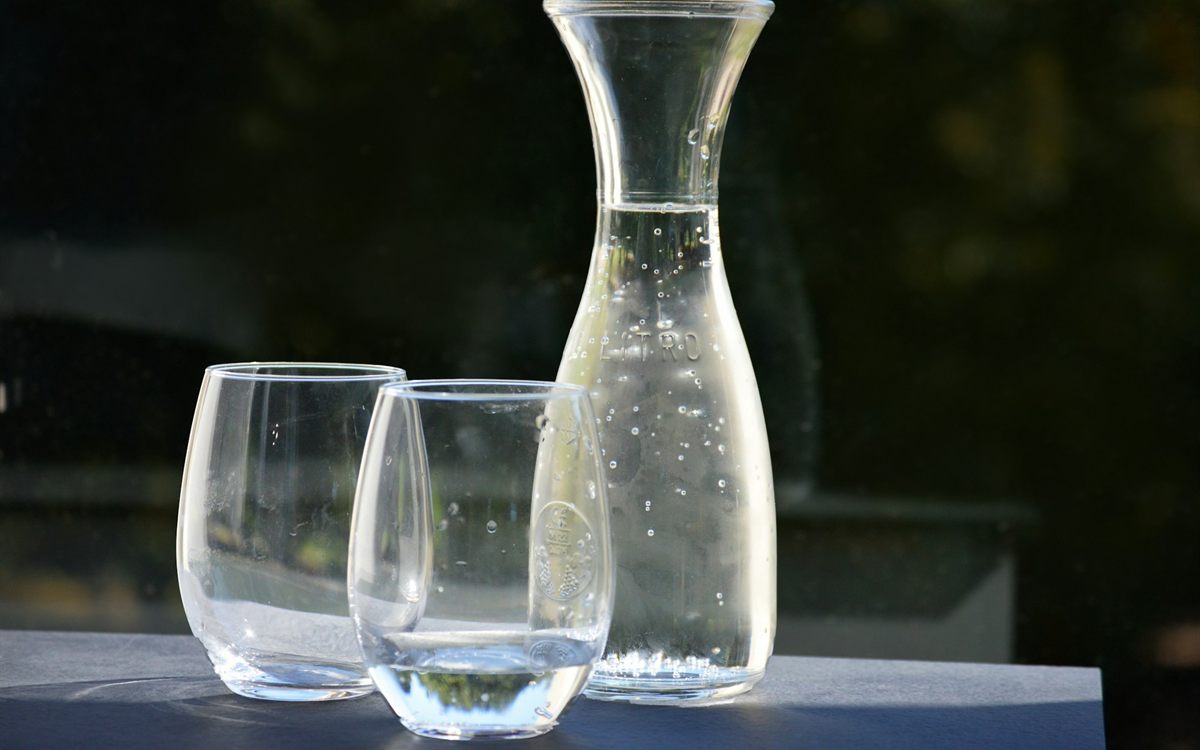
- Put a water glass at every place setting, not just a jug on the counter.
- Pour smaller glasses on the first night, while the group adjusts.
- Serve the heavier reds with food, never on their own after a day on the slopes.
Cooking itself also changes at elevation, which is explained in our piece on why rental dinners go wrong at 9,600 feet.
Non-alcoholic pairings
Guests who are not drinking deserve a match too. Sparkling water with lemon works with starters and salads, iced tea with a little lemon stands up to pork or chicken, and a tart cranberry or pomegranate spritzer has the weight to sit beside beef. Coffee with tiramisu needs no explanation.
Frequently asked questions
What wine goes with beef tenderloin?
A medium to full red such as Malbec or Cabernet Sauvignon suits a beef fillet. Avoid light whites and rosés, which disappear next to the meat.
What wine goes with chicken piccata?
Choose a crisp, high-acid white like Sauvignon Blanc or Pinot Grigio to match the lemon and capers. Heavy, tannic reds clash with the sauce.
Should I serve a different wine with each course?
You can, but you do not have to. One versatile white and one versatile red cover most dinners, with sparkling to start if you want a toast.
Does alcohol affect you more at high altitude?
Many visitors feel drinks more strongly at elevation, mostly because of dehydration and tiredness. The local advice is to drink a glass of water with each drink and take it easy on the first night.
Bring the wine, we bring dinner
Dining in lets you pour your own wine at considerable savings, and a chef handles everything on the plate. Browse the menus and pricing, starting from $79 per person, and see how a private chef dine-in dinner in your rental works. For the hour before, our après-ski platters for Breckenridge rentals pair well with that first sparkling pour; for an occasion, read about planning an elopement dinner in Breckenridge. More tips live on our resources page, or call (970) 333-1788 to talk through your menu.