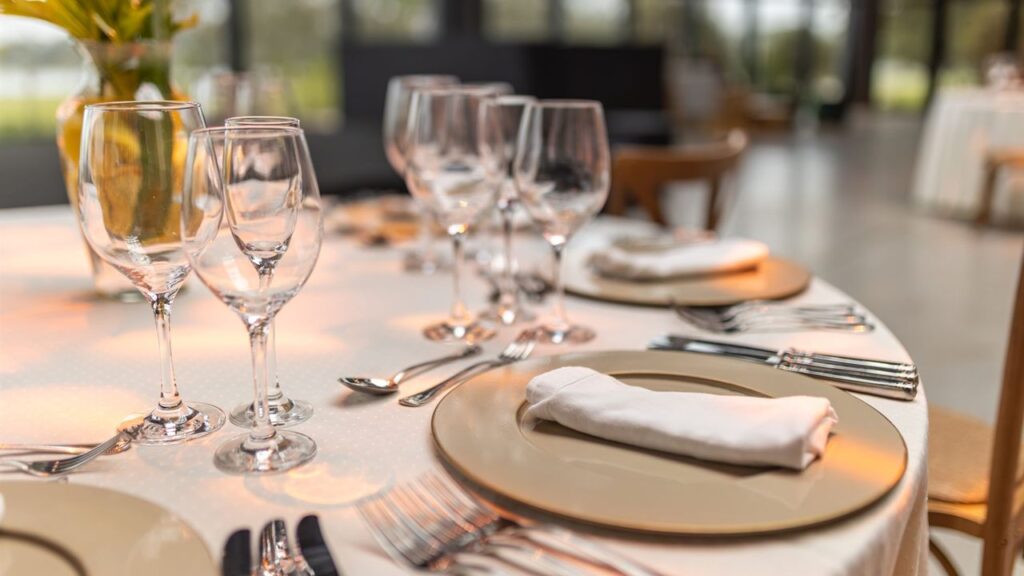
A set table tells guests what kind of evening it will be. Knowing how to set a dinner table is less about rules than one idea: put each piece where the hand reaches for it, in the order the meal needs it.
This guide is for anyone setting a table at home or in a vacation rental, from a weeknight meal to a dinner in courses. By the end you will know where every piece goes, how to choose between a casual, informal and formal table setting, and how to match the table to the food.
How to set a dinner table: what goes where
Every place setting is built around the dinner plate. Work outward from it, and remember one rule that holds at every level of formality: utensils are laid in the order they will be used, from the outside in. A guest starting the salad picks up the outermost fork and works toward the plate as the courses arrive.
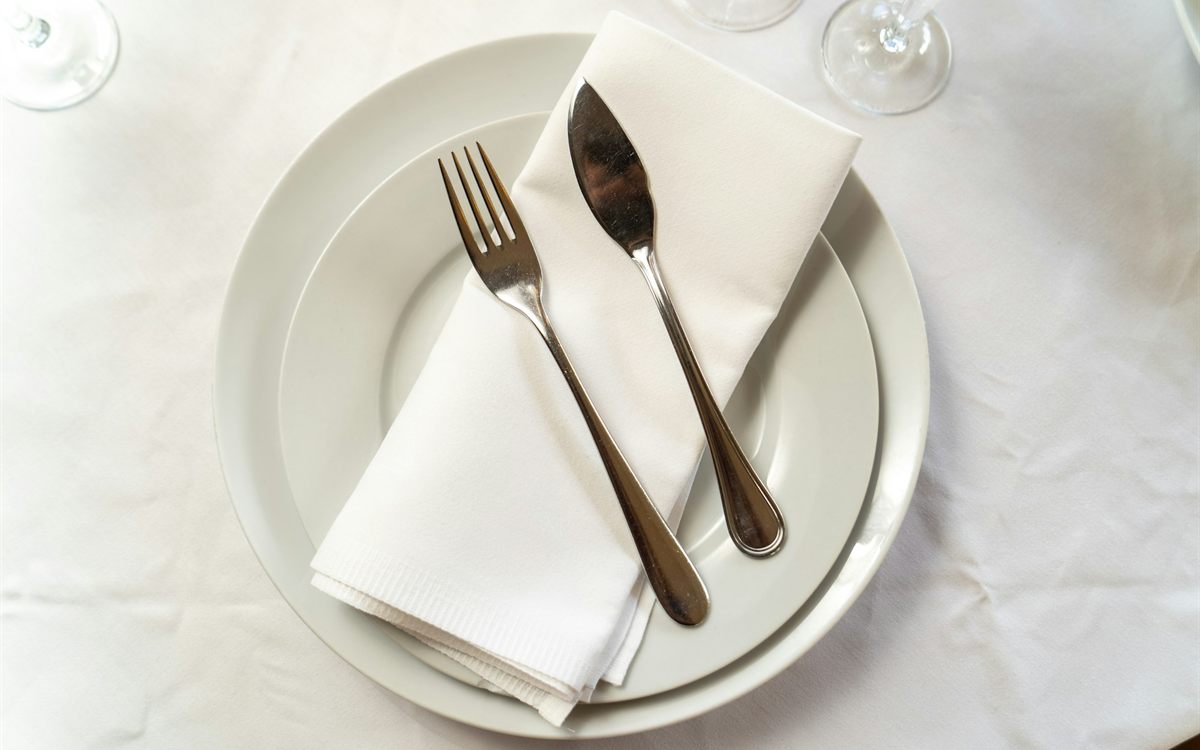
The table below works as a map of a single place setting, read from left to right.
| Position | What goes there | Notes |
|---|---|---|
| Center | Dinner plate | Soup bowl or salad plate can sit on top |
| Left | Forks, then napkin | Salad fork outside the dinner fork |
| Right | Knife, then spoons | Blade faces the plate; soup spoon outermost |
| Upper left | Bread plate | Butter knife across it |
| Upper right | Glasses | Water glass above the knife tip |
| Above the plate | Dessert fork or spoon | Formal and informal tables only |
A memory trick for the two items people mix up most: bread on the left, drinks on the right.
Spacing that keeps elbows apart
The guidance used in 4-H table setting contests is a good practical standard. Nebraska Extension’s manual says to allow at least 20 inches of space for each person and keep the flatware, plate and napkin one inch from the table edge. It also makes a point worth copying at home: only the utensils needed for the meal go on the table.
Casual, informal and formal: choose the level
Most home dinners fall into one of three levels. The difference is not the rules, which stay the same, but how many pieces the menu calls for.
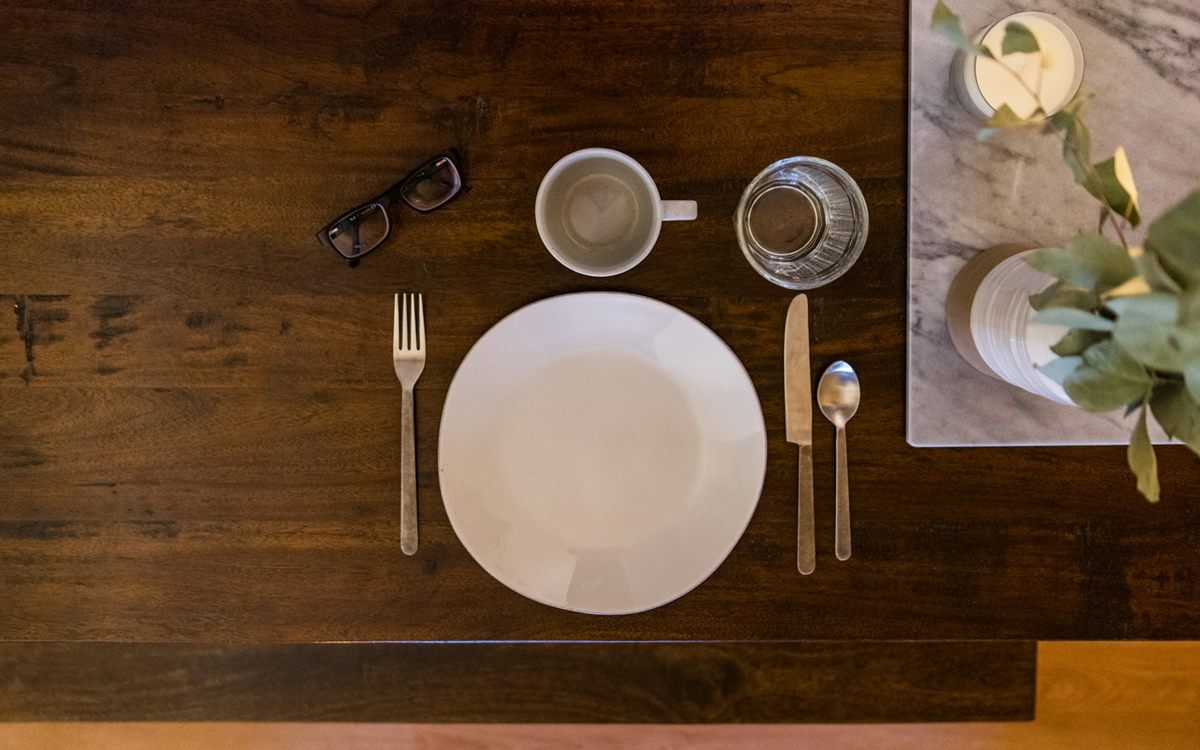
This comparison shows what each level includes and when it fits.
| Factor | Casual | Informal | Formal |
|---|---|---|---|
| Plates | Dinner plate | Dinner plate, salad plate | Charger, plate per course |
| Flatware | Fork, knife, spoon | Adds salad fork, dessert piece | A piece for every course |
| Glasses | One or two | Water and wine | Water plus a glass per wine |
| Best for | One-plate suppers | Dinner parties of three or four courses | Milestones, long coursed menus |
The casual setting
A dinner plate, a fork on the left, a knife and spoon on the right, a napkin and a glass. That is enough for a pasta night, a taco bar or a family meal after a day outside. If nobody needs a knife, the fork can move to the right of the plate.
The informal setting
This is the right level for most dinner parties. Add a salad fork outside the dinner fork, a salad plate or soup bowl, a wine glass beside the water glass, and a dessert fork or spoon laid across the top of the plate. It suits the starter, soup or salad, entrée and dessert of a four course dinner at home without feeling stiff.
The formal table setting, piece by piece
A formal table setting looks complicated, but it follows the same outside-in logic with more courses. Set only as many pieces as the menu needs; an empty fork position confuses guests more than a missing one.

- Charger. A decorative base plate in the center. It never holds food directly; course plates sit on it and it is cleared before the entrée or dessert.
- Forks on the left. From the outside in: the first course fork, the salad fork, then the dinner fork.
- Knives and spoons on the right. Dinner knife nearest the plate, blade in, then any first course knife, then the soup spoon on the outside.
- Bread plate. Upper left, above the forks, with a small butter knife across it.
- Dessert pieces. Laid horizontally above the plate, or brought out with the dessert course.
- Glasses. Upper right in a short line or diagonal, water glass above the knife tip, wine glasses to its right in the order they will be poured.
- Napkin. On the charger or to the left of the forks.
For the wine glasses, it helps to know how many wines you will actually pour; our guide to how much wine to buy for a dinner party sorts out the bottles by course.
Match the table to the food and the service
The setting should follow the menu, not the other way round. Before you lay a single fork, decide how the food will reach the table.
- Plated courses need little space in the middle of the table, so there is room for candles or low flowers.
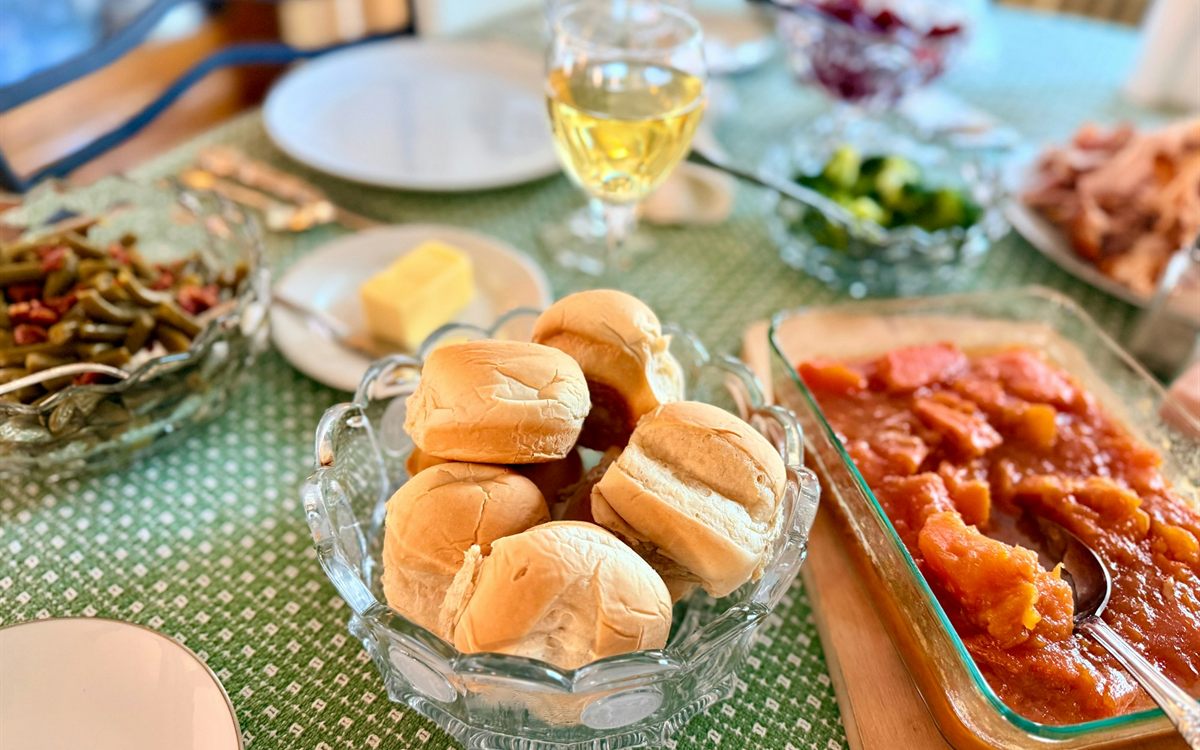
- Family style needs a clear runner down the center for platters and serving spoons, so keep the decor low or skip it. Our guide to family style vs plated dinner service compares how each one changes the evening.
- Soup means a soup spoon on the far right, and a bowl on the plate or brought out when served.
- Dessert with a fork or a spoon depends on the dish. A tart wants a fork; anything in a glass wants a spoon. Our guide to dessert ideas for a dinner party can help you decide.
Keep centerpieces low enough that guests can see each other.
Setting the table in a vacation rental
A rental kitchen rarely has a matched set of twelve. Count plates, glasses, flatware and napkins the afternoon before, not at 6 p.m. Our list of vacation rental kitchen essentials covers what to check.

- Mixed sets are fine. Keep each place consistent with the others: same number of pieces in the same positions.
- Small tables need narrow settings. Drop the bread plate and the charger before you squeeze the 20 inches per guest.
- Children do well with a casual setting, even at a formal table.
- Set early. A table set before guests arrive is one less job later, which our dinner party timeline builds in.
When The Mobile Chef cooks in your rental, the chef plans the courses and serves them, and pricing includes serving and clean-up. With private chef dine-in catering at your rental, you can set the table with the chef’s menu in hand so the forks match the courses.
Frequently asked questions
Which side does the fork go on?
Forks go on the left of the plate, with the knife and spoons on the right. If no knife is needed, the fork can move to the right.
Where does the napkin go on a dinner table?
Place it to the left of the forks or on the center of the plate. Both are correct; choose one and use it at every place.
Where does the bread plate go?
The bread plate sits at the upper left, above the forks, with a butter knife laid across it. Drinks go at the upper right, so nobody reaches for a neighbor’s.
What is the difference between a formal and informal table setting?
A formal setting adds a charger, a utensil and plate for every course and a glass for each wine. An informal setting keeps a salad fork, a dessert piece and one or two glasses, which suits most dinner parties.
Whatever level you choose, the table is ready faster when the menu is settled. Browse our menus and pricing, read about in-home dinners cooked and served at your rental, or call (970) 333-1788 to plan your evening.