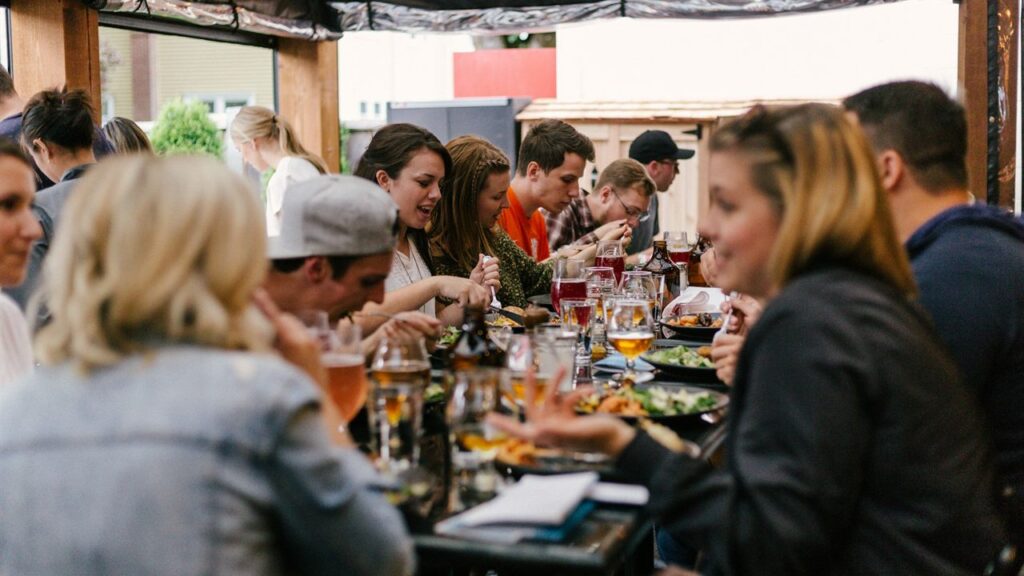
Once you know who is coming and what you want to eat, there is one more choice that shapes the whole evening: how the food reaches the table. Family style vs plated dinner is the question most hosts ask first, but a buffet, food stations and platters are on the list too, and each one changes how the night feels, how many people it takes to run, and what it costs.
This guide is for anyone planning a dinner for a group in a home or vacation rental, from six friends to a family reunion. By the end you will know what each style means, how it plays out in a real dining room, and which one suits your table.
The five service styles in plain terms
Caterers use these words a little differently, so start with what each one means.
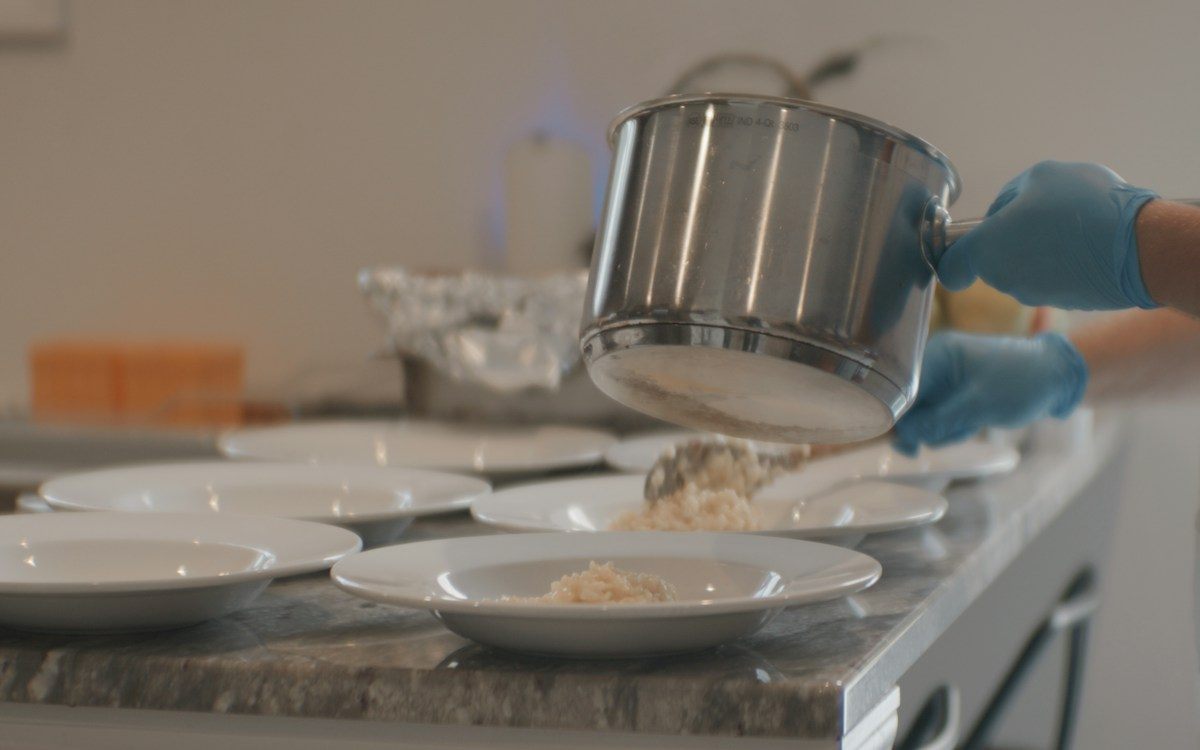
- Plated. Each guest gets a composed plate, served at the seat. Courses come out together, so everyone eats at the same time.
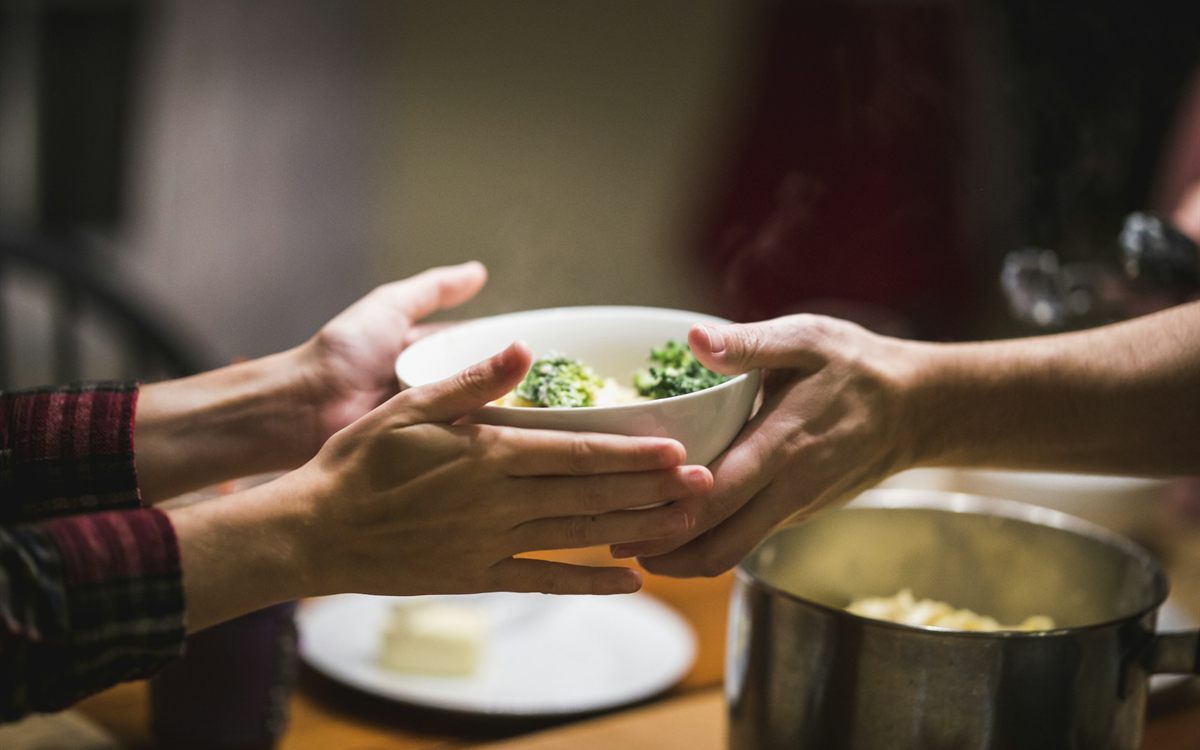
- Family style. Large dishes go on the table and guests help themselves and pass them along, the way a holiday meal works at home.
- Buffet. Food is set out on a counter or kitchen island and guests walk up with a plate and serve themselves.
- Stations. A buffet split into small themed spots, often with someone finishing a dish to order at one of them.
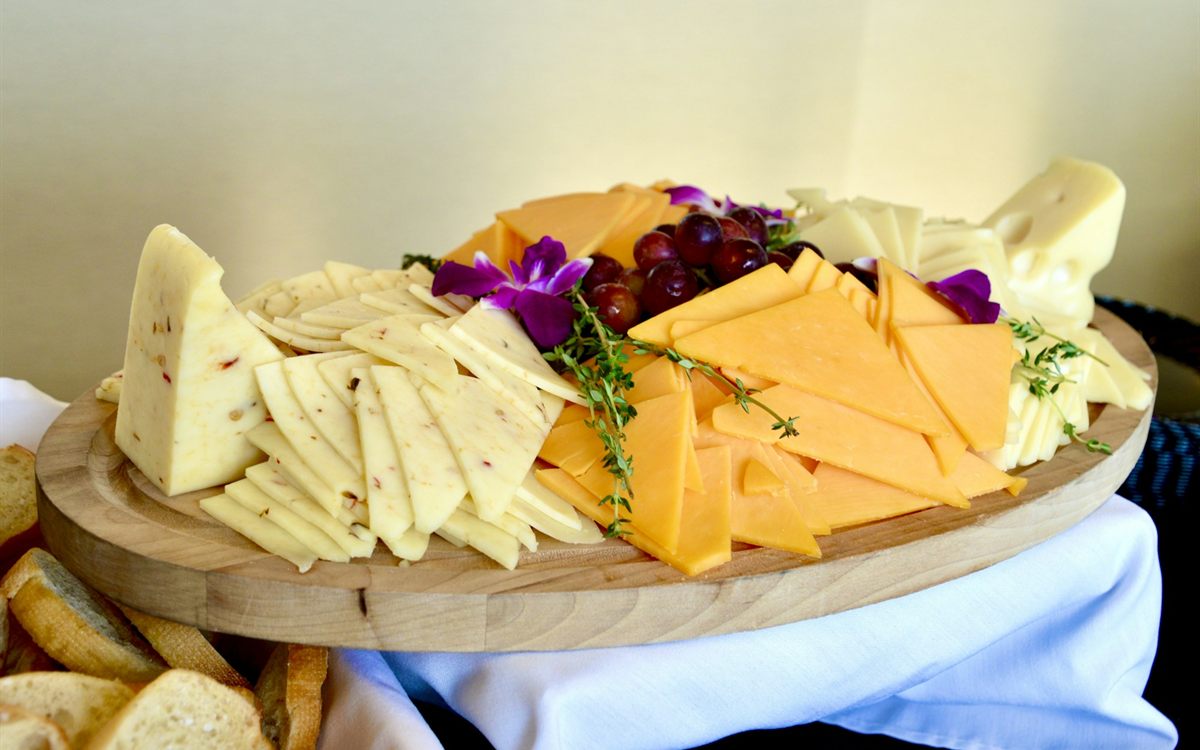
- Platters. Prepared trays of finger food or grazing boards, put out for guests to pick at while they mingle. Our platter service catering works this way.
Family style vs plated dinner, side by side
These two are the usual shortlist for a seated dinner. The table compares them, with a buffet alongside because it is the other common choice for a larger group.
| Factor | Plated | Family style | Buffet |
|---|---|---|---|
| Feel | Formal, restaurant-like | Warm, shared | Casual, moving around |
| Pace | Set by the kitchen, course by course | Set by the table | Set by each guest |
| Food needed | Least, portions are fixed | More, guests serve themselves | Most, the line must stay full |
| Hands needed | Most, every plate is carried | Fewer, platters go out in rounds | Fewest, mainly refills |
| Table space | Place settings only | Room for platters too | A clear counter or island |
| Allergies | Easiest to control | Shared spoons need care | Labels and separate utensils |
When plated is the right call
Plated suits an occasion: an anniversary, a rehearsal dinner, a milestone birthday. Every guest gets the same care on the plate, the kitchen controls timing, and toasts can be slotted neatly between courses. It is also the simplest way to serve a guest with a serious allergy, because their plate is made separately and carried straight to them.
When family style is the right call
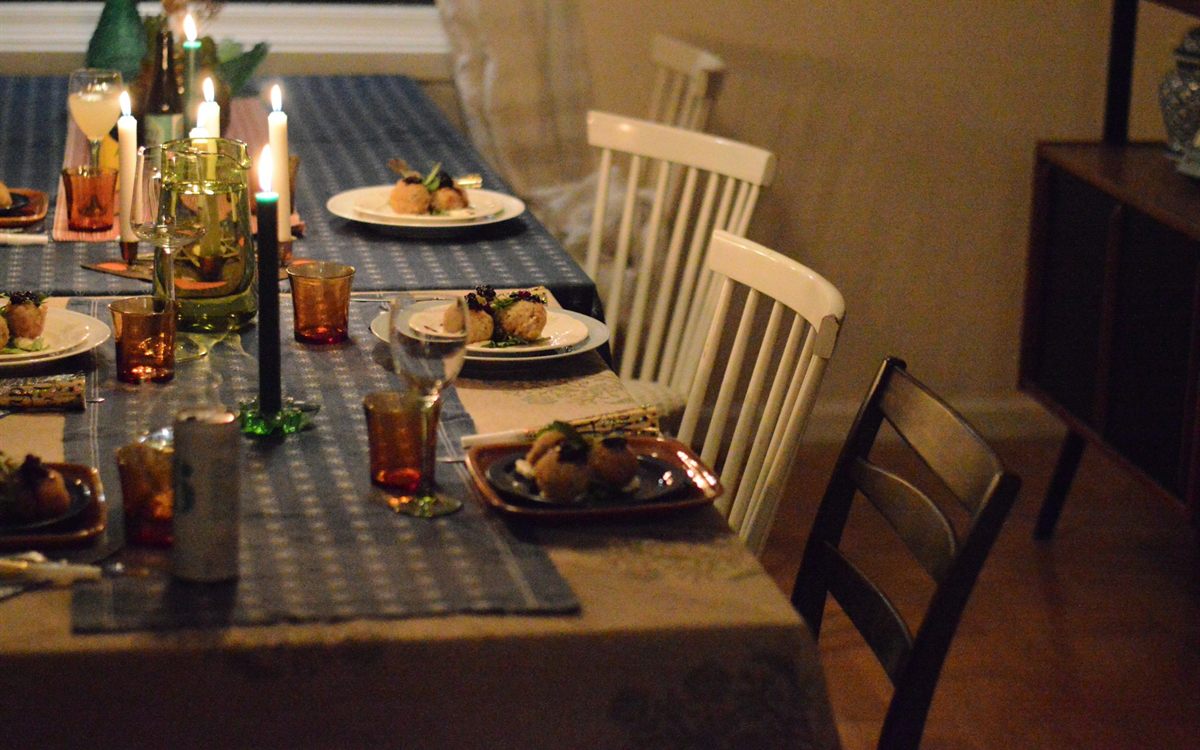
Family style suits a group that already knows each other: a reunion, a ski week with friends, three generations in one house. Passing dishes gets people talking, and picky eaters take what they like. The trade-off is space. A rental dining table that seats twelve may not also hold six serving dishes.
Plated vs buffet dinner for a bigger group
When the headcount climbs, many hosts weigh plated vs buffet dinner instead. A buffet needs less table service, lets people eat at their own speed and works when guests are spread across a living room, a kitchen bar and a deck.
The catch is food safety and food waste. A buffet keeps dishes out for longer, and the FDA’s advice on serving safe buffets is to discard perishables left at room temperature for more than two hours, to keep hot food at 140 °F or warmer, and to replace nearly empty dishes with fresh ones rather than topping them up. That means smaller dishes, more trips from the kitchen and a little extra food in reserve.
Stations and platters
Stations are a buffet with more structure, needing more room and often more hands, so in a rental they rarely beat a simple buffet. Platters are not a full dinner, but they are ideal before one. Our guide to après-ski platters for your rental covers what goes on them.
How service style changes pace, staffing and cost
Service style is one of the three things that shape a private chef quote, alongside the menu and your group size. Here is why.
- Pace. Plated runs to the kitchen’s clock, with a natural pause between courses. Family style moves at the speed of conversation. A buffet has no pace at all, which is fine for a party and less fine for speeches.
- Staffing. Carrying a plate to every seat, four times over, takes more hands than putting platters on the table. With The Mobile Chef, groups of 6 or more may see a server’s fee, and the style you choose affects how much serving the evening needs.
- Food. Shared styles need a margin, because guests serve themselves and the last person to a dish should not find it empty. Our guide on how much food per person to plan for explains the sums.
- Cost. Menu pricing begins at $79 per person, based on menu, group size and style of service. Ask for a quote in the style you want, rather than assuming one style is always cheaper.
Choosing a style for your table
A few quick questions usually settle it:
- Is this an occasion or a get-together? Occasions lean plated. Get-togethers lean family style.
- How big is the table? If it only just fits the place settings, plated or a buffet from the island will work better than family style.
- Are there serious allergies? Plated gives the most control. Our guide to gluten-free and allergy-friendly private chef dining explains how we plan for them.
- Will there be toasts? Plated gives you clean gaps between courses.
- Are there young kids? Family style or a buffet lets them come and go from the table.
Mixing styles in one evening
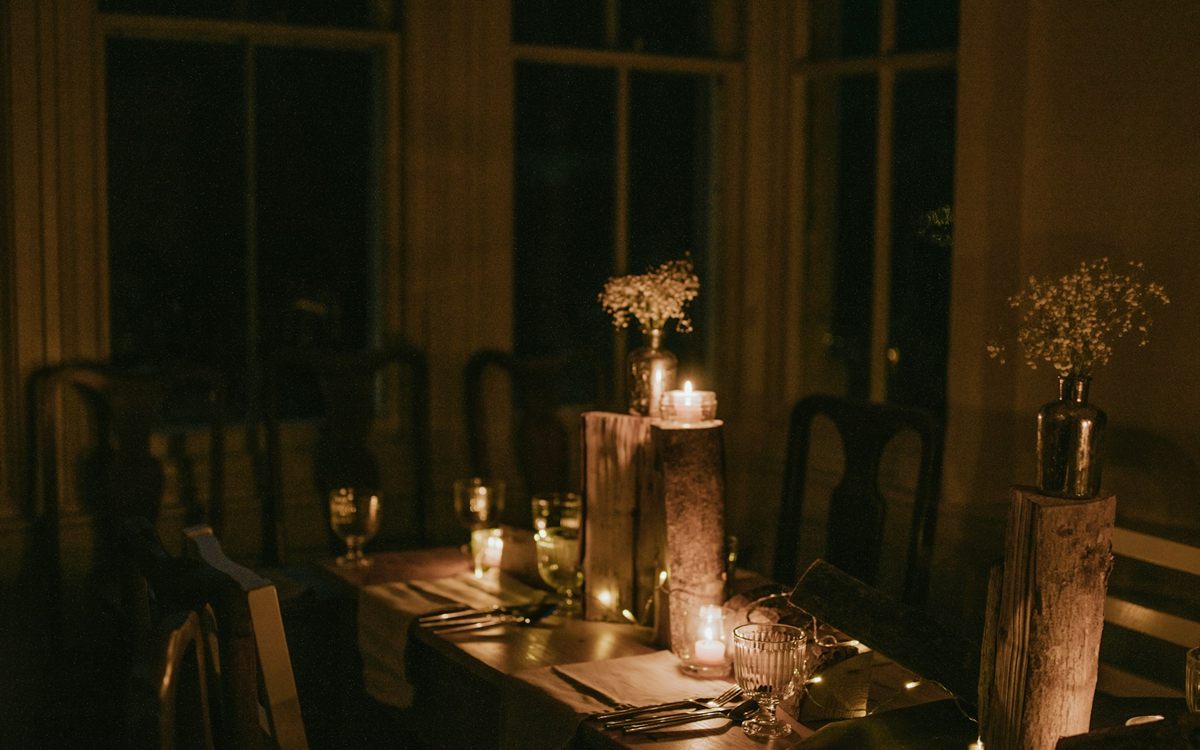
You do not have to pick only one. A common pattern is platters while people arrive, then a plated main and dessert at the table. On a multi-night stay you might go plated for the celebration night and family style the rest of the week. For menus that suit each kind of night, see our group dinner ideas for a Breckenridge ski house.
Whatever the style, every menu from The Mobile Chef includes a starter, soup or salad, entrée and dessert. A dinner salad with gorgonzola and walnuts, grilled pork tenderloin au jus with roasted red potatoes, and a fruit tart works plated or passed. You can browse the full range on our menus and pricing page.
Frequently asked questions
Is family style cheaper than plated?
Not always. Family style can need fewer hands at the table, but it also needs more food, because guests serve themselves. Ask for a quote in each style if cost decides it.
Do you need more food for family style?
Usually, yes. Guests take what they like from shared dishes, so plan a margin above a plated portion so the last person served still has a choice.
Which service style is best for a small group?
For six to twelve people in a rental, plated or family style both work well. Plated suits an occasion; family style suits a relaxed night with people who already know each other.
Can a private chef do family style?
Ask when you plan the menu. Style of service is one of the things a Mobile Chef quote is based on, so tell us how you want the food to reach the table and we will plan the evening around it.
To plan the evening and the style that suits it, see our private chef dine-in catering for rentals in Summit County, or call (970) 333-1788 to talk it through.