A sandwich that left the rental looking fine can come out of a jacket at noon flat, frozen at the edges or warm in the middle. A good packed lunch for skiing is less about clever ideas than about what the food goes through: four hours of cold air, a chairlift, a fall or two and a pair of gloves.
This guide is for skiers and snowboarders packing food from a rental kitchen, alone or for a group. By the end you will know which foods hold up, how to use a thermos properly, what to leave out and how to keep the meal safe to eat. For the morning meal, see our guide on what to eat before skiing.
What a packed lunch for skiing has to survive
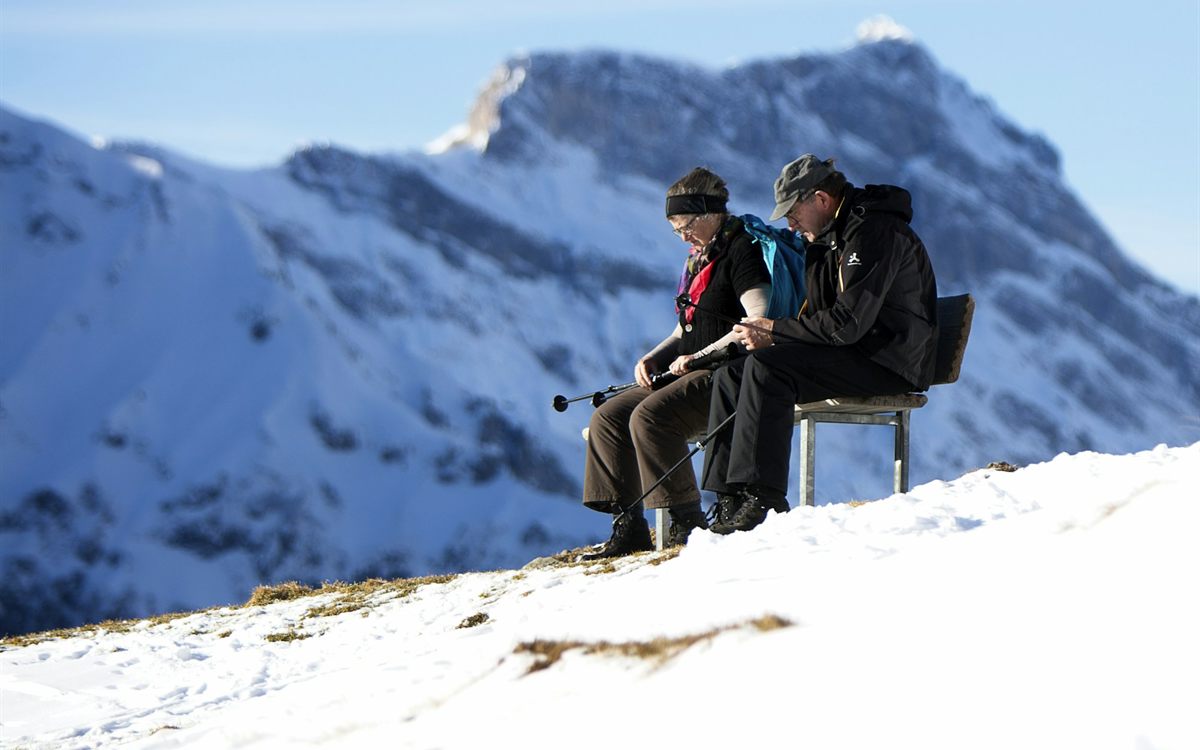
Skiing is hungry work. Children’s Hospital Colorado says that skiing or snowboarding can burn 400 to 750 calories an hour. Its sports dietitian suggests plenty of carbohydrate, some protein, salty snacks and a small treat, and notes that some skiers will want two sandwiches.
The nutrition is the easy part. Before anything goes in your bag, run it past four tests:
- Cold. Will it still be edible after hours at a freezing temperature?
- Crush. Will it survive a fall, a backpack strap or a chairlift seat?
- Gloves. Can you eat it with cold hands, without a fork or a knife?
- Time. Will it still be safe when you get to it?
Ski day snacks and lunches compared
The table below compares common choices on how they handle the cold and the knocks of a ski day.
| Food | In the cold | When crushed | Carry it |
|---|---|---|---|
| Nut butter and jam sandwich | Firms up, still edible | Flat but fine | Any pocket |
| Turkey and cheese wrap | Must stay cold | Holds together | Pack, with a gel pack |
| Dried fruit | Stays chewy | No change | Any pocket |
| Nuts and trail mix | No change | No change | Any pocket |
| Energy or granola bars | Can go rock hard | Crumbles | Inside pocket |
| Banana | Blackens | Turns to mush | Eat before the lift |

What goes in which pocket
Your jacket is two climates. The outer pockets run close to the air temperature, while an inside chest pocket stays warm from your body. That matters more than the food itself:
- Inside pocket: bars, chocolate and anything that goes hard. Cut bars into small pieces before you leave, because a frozen bar is hard to bite.
- Outer pocket: nuts, dried fruit and pretzels, which do not care either way.
- Backpack: anything perishable, and anything you would hate to find crushed.
Open stiff wrappers at the rental, since tearing one open in gloves is hard.
The warm pocket problem
Here is the mistake few ski food guides mention. It feels cold outside, so a ham sandwich must be fine, and an inside pocket stops it from freezing. Yet that pocket can be the worst place for it.

Nebraska Extension’s guide to packed lunch safety says bacteria multiply rapidly when food sits between 40°F and 140°F for more than 2 hours. It also says perishable food served cold must be kept cold. A sandwich against your chest all morning sits in that range for far longer than 2 hours, whatever the weather is doing outside.
So split your lunch by risk:
- Fine in a pocket: nut butter, jam, dried fruit, nuts and hard crackers.
- Keep cold: meat, soft cheese and anything with mayonnaise. Carry these in an insulated pouch with a gel pack, away from your back.
- At the rental: keep packed lunches in the fridge until you leave, as Nebraska Extension advises.
How to use a thermos on the mountain
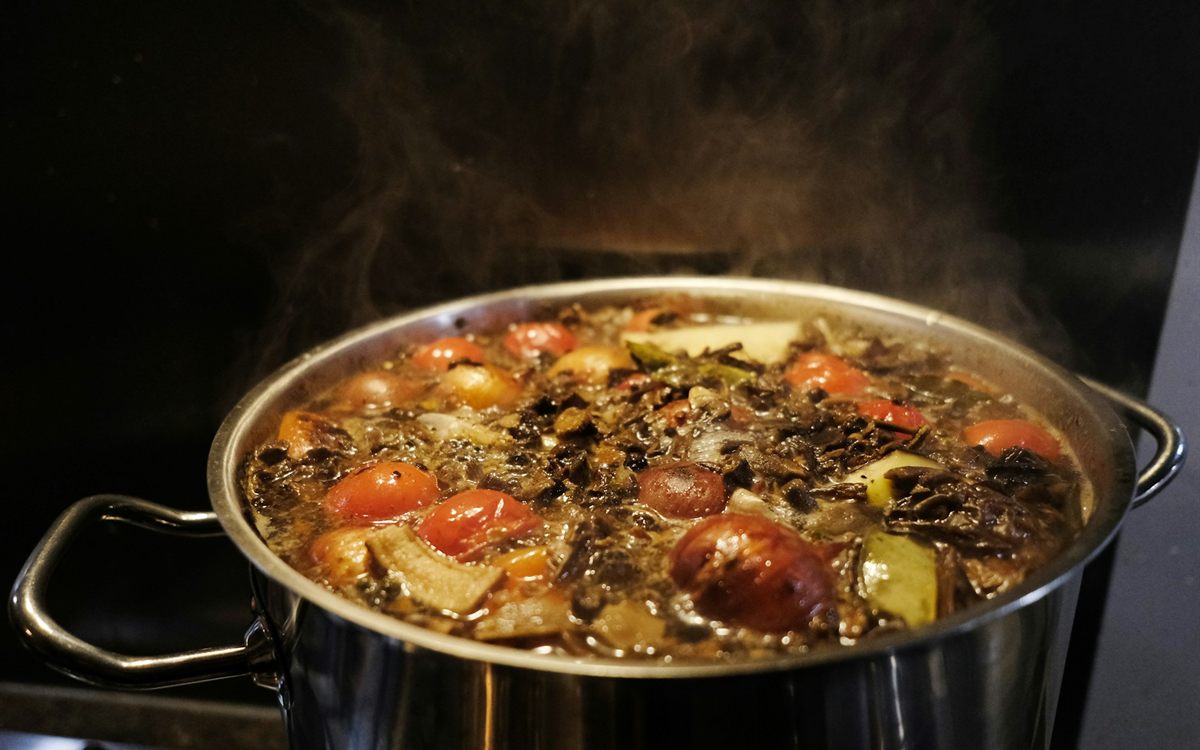
A thermos of something hot is the one luxury worth the weight. Soup, chili or last night’s stew feels very different from a cold sandwich on a windy day. A wide-mouth food jar is easier than a narrow flask, and you can eat from it with one spoon.
The steps matter:
- Preheat. Fill the empty thermos with hot water and let it stand for a few minutes, as Nebraska Extension suggests.
- Heat the food well. Bring it to steaming hot on the stove, not just warm.
- Empty and fill fast. Pour the water out, add the food and close the lid at once.
- Leave it closed. Each peek lets heat out.
- Wash it the same day. Hot water and detergent, then leave it open to dry.
If the food has gone lukewarm by lunch, it has slipped into the same 40°F to 140°F range, so treat it as you would a warm sandwich.
Water, the other half of lunch
Children’s Hospital Colorado notes that thirst is often weaker at high altitude even though fluid needs are higher, so carry a small bottle or a hydration pack. Keep the bottle inside your jacket on very cold days. For the flask your friend brought, see our guide to drinking alcohol at altitude.
What to leave out
Some foods sound good at the rental and fail on the mountain:
- Glass of any kind. One fall and your lunch is unsafe to eat.
- Tomato, lettuce and crisp vegetables in sandwiches. They freeze, thaw and turn the bread wet.
- Grapes and berries. They crush in a pocket and freeze in the air.
- Anything needing a knife or two hands. You will not want gloves off for long.
Bring out everything you carried in, including peels and wrappers. Also check where you can sit down with it: each ski area sets its own rules for packed food, and they can change, so ask yours before you count on a table.
Packing lunch for a group at the rental
For ten people, lunch needs a system. Set up a line on the counter the night before, then build lunches in the order they are eaten.

- Let each person choose a filling, and write names on the bags.
- Make only what will get eaten. Nebraska Extension advises this for perishable food, since leftovers bring their own safety problems.
- Fill the thermoses last, just before you leave.
Our guides on grocery shopping in Breckenridge for your rental and vacation rental kitchen essentials cover the foil, bags and containers a rental may not stock. For the cost side, our guide on how to save money on food on a ski trip shows where packing fits.
Frequently asked questions
Can you bring a packed lunch to a ski resort?
Plenty of skiers carry their own food, but rules for eating it indoors are set by each ski area. Check with yours before you go, and have a plan for eating outside or back at the car.
What are the best ski day snacks?
Dried fruit, nuts, trail mix, pretzels and small pieces of bar or chocolate all travel well.
How do you keep a sandwich from freezing while skiing?
Choose a filling that stays soft, wrap it well and carry it in your pack rather than an outer jacket pocket. Keep sandwiches with meat or cheese cold and safe first, even if that means they firm up a little.
How long will food stay hot in a thermos?
It depends on the jar, the food and how cold the day is, so test yours at home. Preheat it, fill it steaming hot and leave it closed, and do not eat perishable food that has gone lukewarm.
If you would rather not build sandwiches at 7 a.m., breakfast and lunch are available to clients in the Breckenridge and Frisco areas who book multi-day service. Read how multi-day private chef service in Breckenridge works, or see our in-home private chef dinners for the evenings. Call (970) 333-1788 to ask what fits your dates.