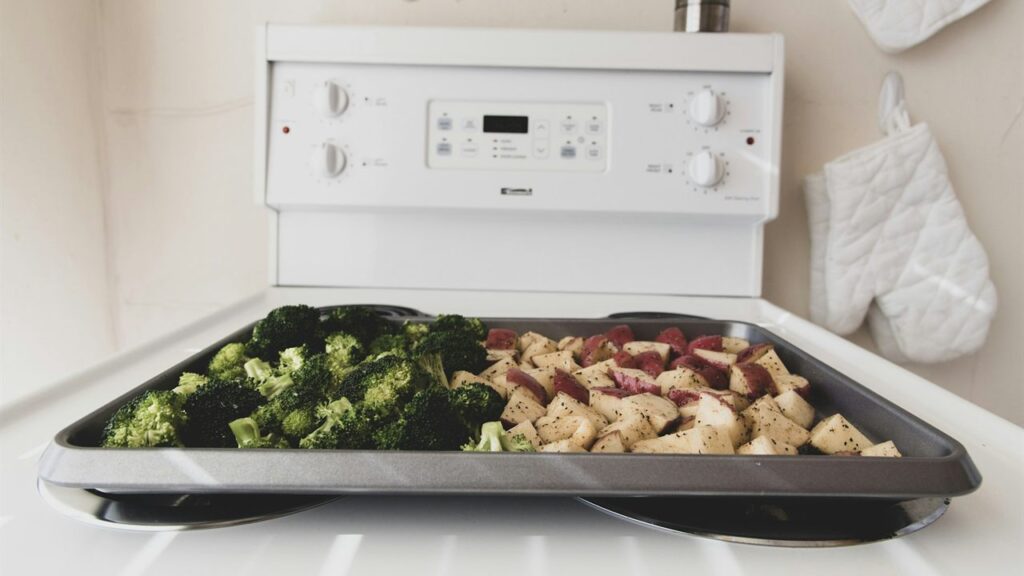
There are twelve people in the house, the oven is smaller than the one at home, and the fridge is already full. Knowing how to cook for a large group in a kitchen you have never used comes down to sequence, not talent: what goes where, in what order, and what you finish days ahead.
This guide is for whoever volunteered to cook dinner at the ski house or the family reunion. By the end you will be able to plan a meal around one oven, work through a make-ahead order, and cool and reheat food safely. It covers method, not dishes. For amounts, start with our guide to how much food to plan per person for a mountain group.
Start with the kitchen, not the menu
Most advice on cooking for a crowd assumes your own kitchen. In a rental, the kitchen decides the menu, so look before you shop. Our list of vacation rental kitchen essentials covers what to pack and the full arrival check. For one big meal, four things set the limits:
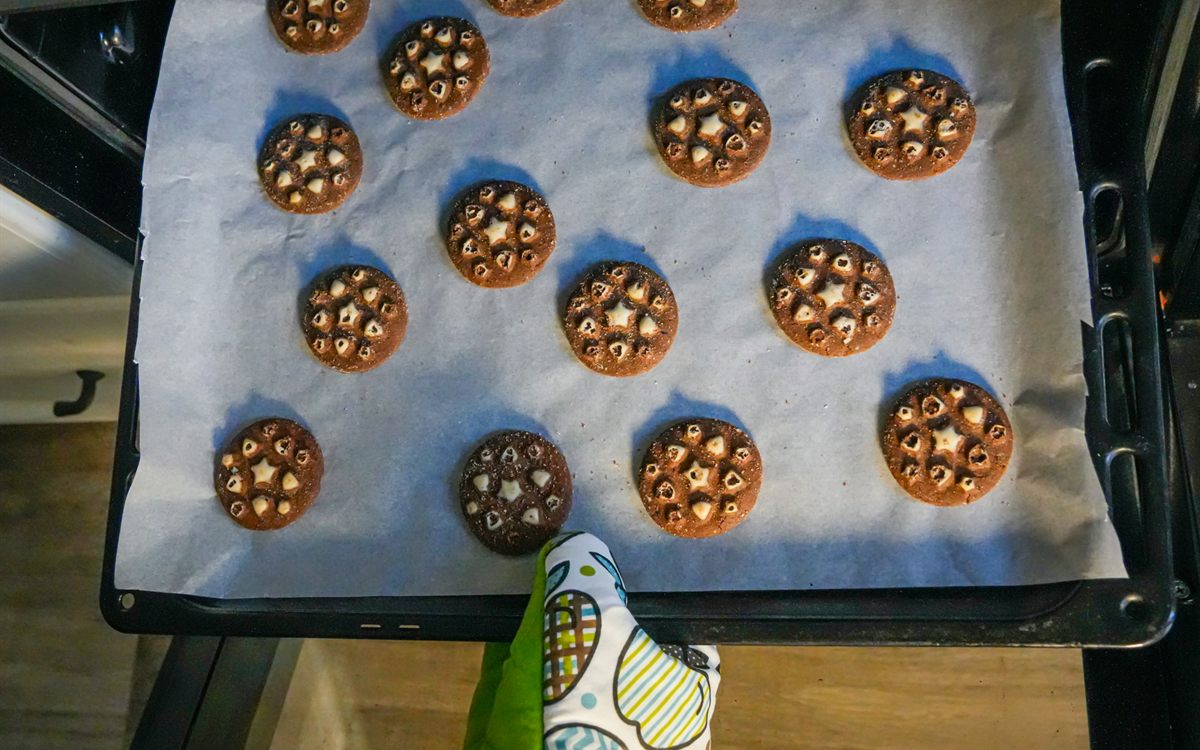
- The oven. Does your largest pan fit, and are there two racks? Cook something small on the first day to see how it behaves.
- The burners. Count how many can hold a big pot at the same time. Often it is only the front pair.
- The fridge. See what space is left after the breakfast food and the drinks. Clearing a shelf now is much easier than clearing one around a hot pan.
- The pans. Count the large ones, then buy disposable foil pans in town to cover the gap.
Write the answers down. The menu has to fit them, not the other way around.
How to cook for a large group around one oven
The oven is nearly always the bottleneck. Two dishes that need different temperatures cannot share it, and a packed oven cooks slowly and unevenly. The fix is to give each part of the meal its own place to cook.
The table compares the four places food can cook in a rental.
| Station | Best for | Watch for |
|---|---|---|
| Oven | One large main or tray bake | One temperature at a time |
| Stovetop | Soup, sauce, rice, grains | Big pots heat slowly |
| Slow cooker | Braises and soups | Many rentals lack one |
| Fridge or counter | Salads, cold platters, dessert | Fridge space; time out of it |
Stagger the oven, do not crowd it
- Choose dishes that share a temperature. If two trays can run at the same setting, they can share the oven. If they cannot, one of them moves to the stovetop or becomes a cold dish.
- Use two trays instead of one heap. Food piled deep steams instead of browning. Swap the racks halfway through.
- Cook in waves. A large roast rests out of the oven, which frees the space for the next tray.
- Trust a thermometer over the clock. A doubled batch in a full oven takes longer than the time you know from cooking for four.
If you are cooking in Summit County, read our guide to cooking at altitude in a rental kitchen before you rely on the times you use at home.
The make-ahead order for cooking for a crowd
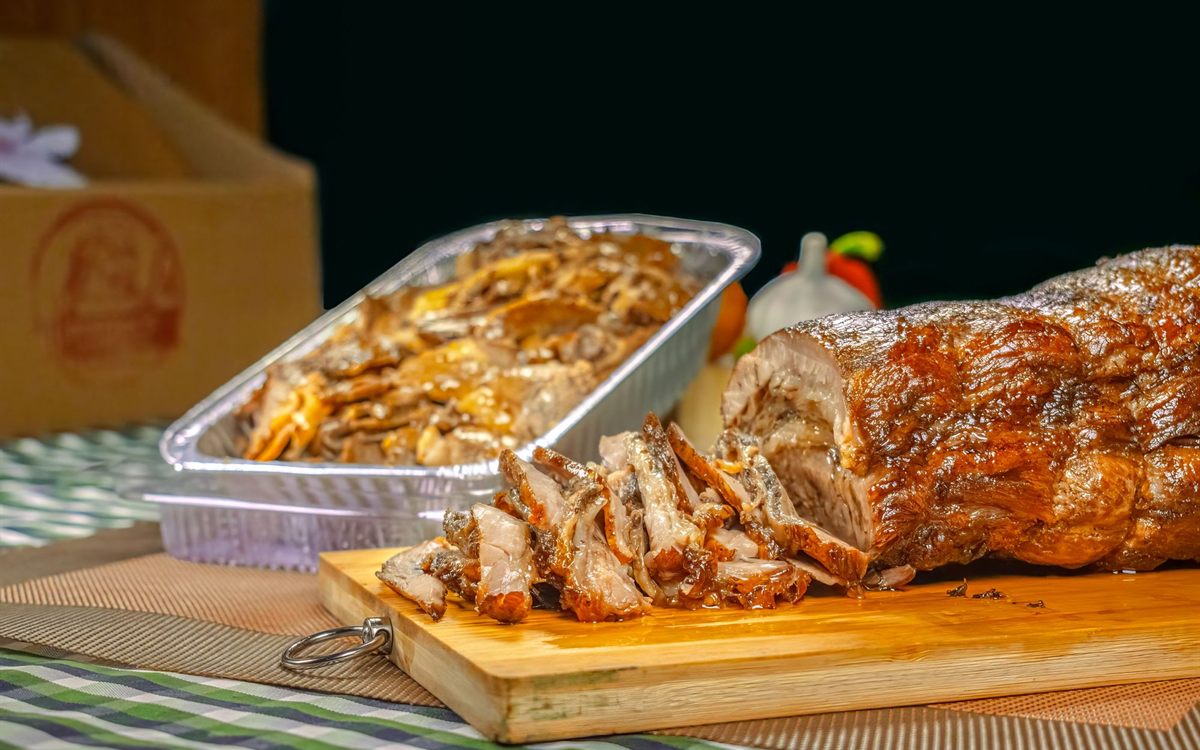
Work backward from the moment the first plate goes out. There is one firm limit: Clemson Cooperative Extension’s guide to preparing food for a crowd says not to hold prepared foods in the refrigerator for more than a day or two. So the cooking starts late, even if the planning starts early.
- Before you travel: settle the menu and who cooks which night. Our guide to meal planning for a group vacation shows how to split the week.
- On arrival: do one main shop. Our notes on grocery shopping in Breckenridge help you time it.
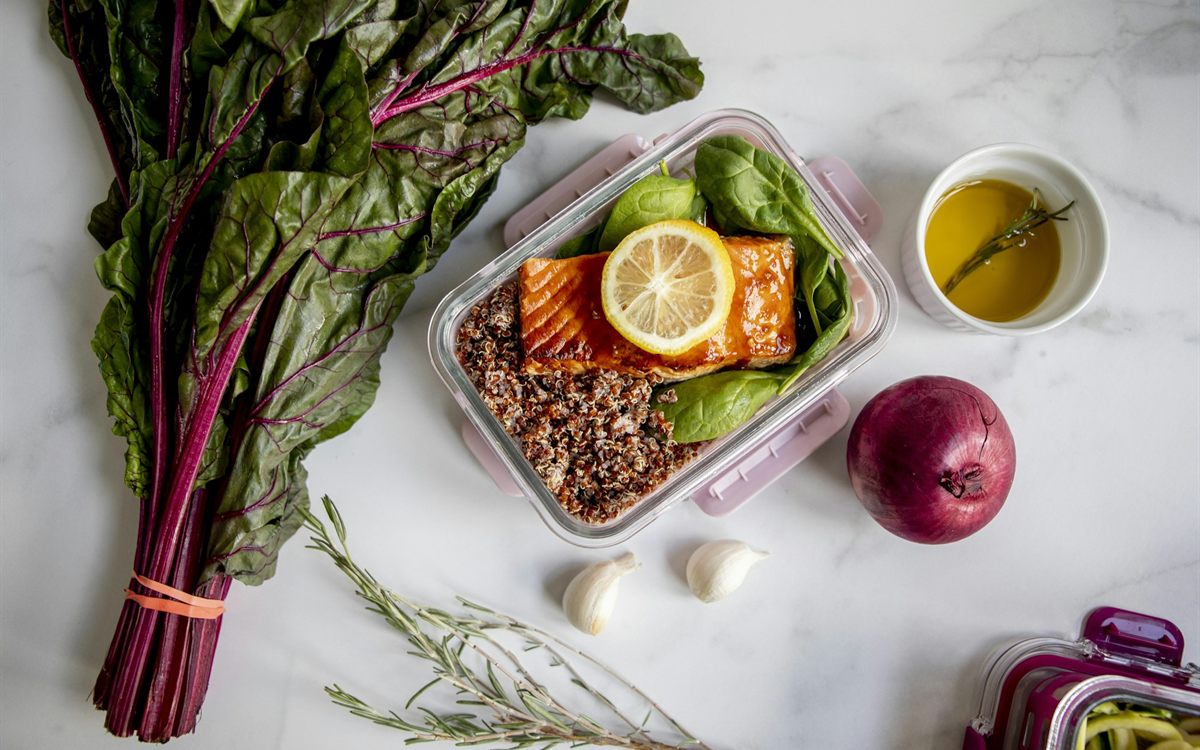
- The day before: make the dessert, dressings and anything that reheats well, such as soups and braises. Wash and cut vegetables. Chill it all as described below.
- That morning: set out serving dishes with a spoon in each, and write the oven schedule on paper where everyone can see it.
- The afternoon: put the main in the oven, timed to finish before the sides need the space.
- The last half hour: do one fresh job only, such as dressing the salad or carving.
A dinner with one last-minute task feels calm. A dinner with four keeps the cook at the stove while everyone else sits down.
Cooling and reheating safely
A large batch holds its heat for a long time, so food cooked ahead needs care. The Clemson guide is specific:
- Go shallow. Never put a deep container of hot food in the fridge. Divide it into shallow dishes, and keep thick foods such as stews to a depth of 2 inches.
- Protect the fridge. Keep it at 40°F or below. Too much warm food at once raises the temperature, so add it in stages.
- Reheat fully. Bring sauces, soups and gravies to a boil. Heat other food to 165°F or until it is steamy hot throughout.
- Watch the clock. Perishable food should not spend more than two hours at room temperature, and that counts preparation and serving time together.
- Separate the raw. Use one board for raw meat and poultry and another for everything else, and clean surfaces thoroughly between jobs.
Holding food once it is hot is a separate skill, covered in our guide to keeping food warm for a party without drying it out.
Serving without a bottleneck
A large group can stall at the last step, with one person plating twelve dinners while the first ones go cold. Decide the service style when you write the menu. Our comparison of family style and plated dinners explains the trade-offs, and a buffet table that keeps the line moving suits most rental kitchens.

Helpers need jobs, not a general invitation. Give each one a task:
- Oven lead: one person only touches the oven and the schedule.
- Cold lead: salads, platters and bread.
- Table lead: plates, cutlery, water and calling people in.
- Close-down crew: leftovers into shallow containers, then our cleaning-up plan for after a dinner party.
When to hand over the stove
Cooking for a large group is a good day’s work, and on a ski trip it costs the cook a day on the snow. The Mobile Chef has cooked for visitors in Summit County since 1998 and specializes in smaller groups. Menu pricing begins at $79 per person and includes food costs, preparation, serving, sales tax and clean-up.
If a sit-down dinner is more than you need, platter service for your rental covers the crowd with no cooking at all.
Frequently asked questions
How do you cook for 20 people with one oven?
Use the oven for one main, cook a second dish on the stovetop, and serve the rest cold. Choose dishes that share a temperature, and let a large roast rest while a second tray goes in.
How far in advance can you cook for a party?
A day ahead suits most dishes. Clemson Cooperative Extension advises no more than a day or two in the refrigerator.
How do you cool a big pot of food quickly?
Divide it into shallow containers, with thick foods no deeper than 2 inches. Add them to the fridge in stages so it stays at 40°F or below.
What is the easiest way to feed a large group?
Choose a short menu you already know, make most of it the day before, and serve it family style or from a buffet. Leave one fresh job for the end.
If you would rather spend the evening at the table, book a private chef dinner cooked and served in your rental for the night the whole group is together. Call (970) 333-1788 to check your dates.