The cake that never fails at home comes out of a Breckenridge oven with a crater in the middle. The cookies run together into one sheet. Most high altitude baking tips assume your own kitchen at 5,000 feet, with pans you know and an oven you trust, and neither is true in a rental at 9,600 feet.
This guide is for visitors who plan to bake on vacation, whether that means a birthday cake or a batch for the kids. By the end you will have university figures for this elevation, the order to test them in, and a plan for an oven and pans you have never seen. Treat every number as a starting point, not a promise.
Why high altitude baking tips matter at 9,600 feet

Our guide to cooking at altitude in a Breckenridge rental explains why water misbehaves up here, so here is the short version for bakers. Lower air pressure lets the gas in a batter expand faster, and liquid evaporates faster. A batter can rise before its structure has set, then fall.
Sugar and fat also become more concentrated as that moisture leaves, which weakens the crumb. Colorado State University considers anything above 3,000 feet high altitude. Summit County sits a long way past that, and many online charts stop at 7,000 feet.
Baking at altitude adjustments for 8,500 to 10,000 feet
The Colorado State University Extension high elevation food preparation guide has a band that covers Summit County. This table sets its cake figures against the lower bands, so you can see how far they move.
| Change | 3,500 to 6,500 feet | 6,500 to 8,500 feet | 8,500 to 10,000 feet |
|---|---|---|---|
| Baking powder, per teaspoon | Less 1/8 tsp | Less 1/8 to 1/4 tsp | Less 1/4 tsp |
| Sugar, per cup | Less 0 to 1 Tbsp | Less 0 to 2 Tbsp | Less 1 to 3 Tbsp |
| Liquid, per cup | Add 1 to 2 Tbsp | Add 2 to 4 Tbsp | Add 3 to 4 Tbsp |
The same guide says to raise the oven 15 to 25°F to help a cake set, and to expect a shorter bake, so check early. It says to reduce baking soda as well as baking powder. A Colorado State news release adds a firm limit: no more than 25 degrees hotter.
A worked example, not a recipe
Suppose a cake calls for 2 teaspoons of baking powder, 1 cup of sugar and 1 cup of milk. Here is how the top band applies, using the mildest figure each time:
- Baking powder: 1/4 teaspoon less for each teaspoon, so 1 1/2 teaspoons
- Sugar: 1 tablespoon less per cup to begin with
- Liquid: 3 tablespoons more per cup
That is a first trial and nothing more. If you do not know the batter yet, change only one of those lines.
Test one change at a time

The Colorado State University holiday baking advice is clear on method: change one ingredient at a time and keep notes. On a short trip that means choosing your battles. A sensible order:
- Oven first. It costs nothing and changes no ingredients.
- Leavening next. Too much is the usual reason a cake rises and sinks.
- Liquid after that. Dry air takes more than you expect.
- Sugar last. Reduce it if the crumb still seems weak.
Write down what you changed on the rental’s notepad, or take a photo of it. Next year’s trip starts from there, not from zero.
Tips for cookies, breads and other bakes
The table above is a cake guide, and other bakes ask for less. Colorado State gives no figures for cookies, only directions.
Cookies
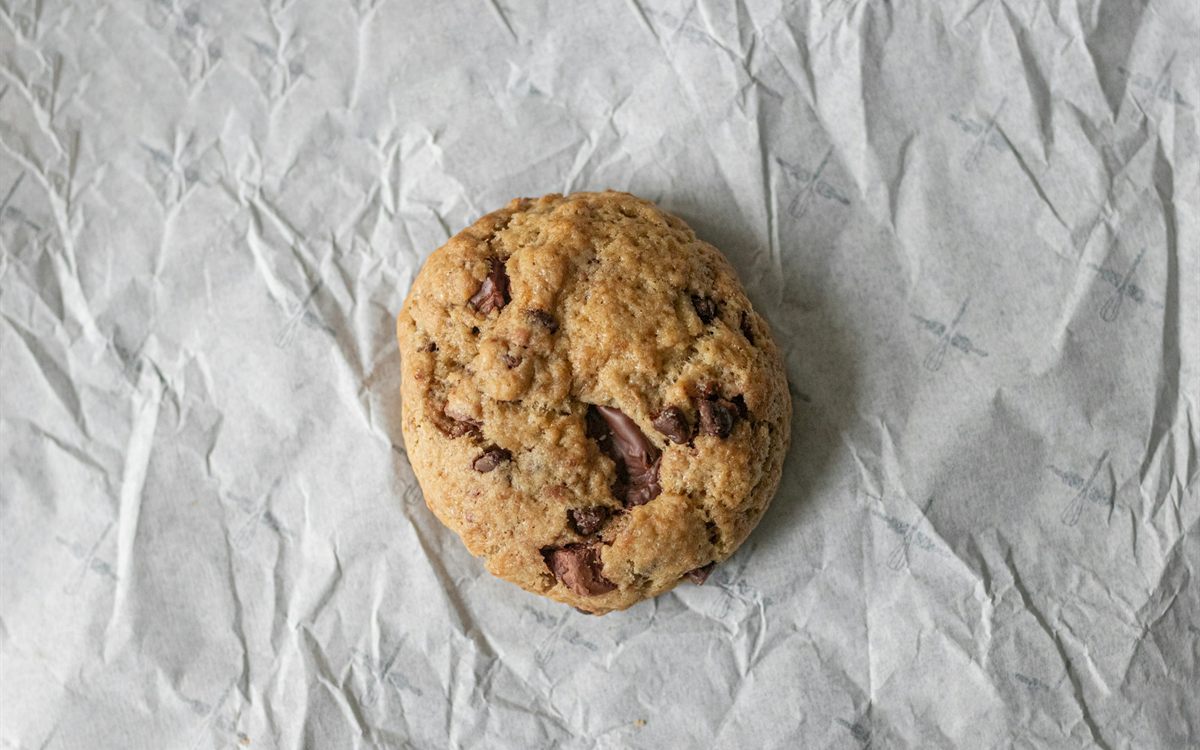
Cookies tend to flatten and spread. Try a slight decrease in baking powder or soda, a slight increase in liquid and flour, or a little more oven heat. Use only one of those at a time, and bake a test tray of a few cookies before you commit the whole bowl.
Yeast breads
Dough rises faster up here, so watch the dough and not the clock. The guide suggests flour with at least 12 percent protein, and you may need less flour or more liquid.
Rich cakes and foam cakes
Rich cakes may gain from a little more egg and 1 or 2 tablespoons less shortening. Beat egg whites only until the peaks droop slightly. Colorado State also suggests extra-large eggs in place of large ones for added protein and moisture.
Gluten-free and spiced bakes
The guide says there are no set rules for gluten-free baking at altitude, so expect some trial and error. Above 7,000 feet, it adds that extra spices or flavorings may be needed.
Unknown oven, pans you find there

Altitude charts assume you know your equipment. In a rental you do not, so a few checks save more cakes than any table. This one compares what you are likely to find.
| What you find | The risk | What to do |
|---|---|---|
| An oven you have never used | The dial may not match the heat | Check it with an oven thermometer |
| Dark, thin baking sheets | Bottoms overbrown | Bake on parchment paper |
| Worn or scratched pans | Sticking, which is worse at altitude | Grease well and line the base |
| Measuring cups only, no scale | Packed flour throws off the batter | Spoon flour into the cup |
| No cake pan at all | Wrong size changes the bake | Choose bars or cookies instead |
Colorado State also suggests watching through the oven light, since opening the door lets heat out. Check the dates on any baking powder or soda left in the cupboard, or buy fresh. Our list of vacation rental kitchen essentials shows what is worth packing, and parchment and an oven thermometer both travel flat.

Sometimes the right answer is not to bake. If the dessert has to work the first time, look at our dessert ideas for a dinner party for options that do not depend on rise. Hosting a swap with friends this year? Our guide to cookie exchange party ideas covers the rules, the numbers and getting everything home.
Frequently asked questions
Do you have to adjust recipes above 3,000 feet?
Often, yes. Colorado State University treats anything above 3,000 feet as high altitude, though it notes most one-bowl cakes need no changes up to that height. At 9,600 feet, expect to change something, and test before a big occasion.
Why do cakes fall at high altitude?
Gas in the batter expands faster, so the cake can rise before its structure sets and then collapse. Less leavening, a slightly hotter oven and a little more liquid all help.
Should you raise the oven temperature for high altitude baking?
Usually a little. Colorado State suggests 15 to 25°F for cakes and says no more than 25 degrees. Expect a shorter bake and check early.
Do cookies need adjusting at altitude?
Sources differ, and many recipes bake acceptably with small changes. If yours spread flat, try one slight change at a time and bake a small test tray first.
If you would rather leave dessert to someone who works at this elevation, every Mobile Chef menu ends with a dessert such as tiramisu or fruit tart, and the full menus and pricing start at $79 per person. Read about our private chef dinners in Summit County rentals or call (970) 333-1788.